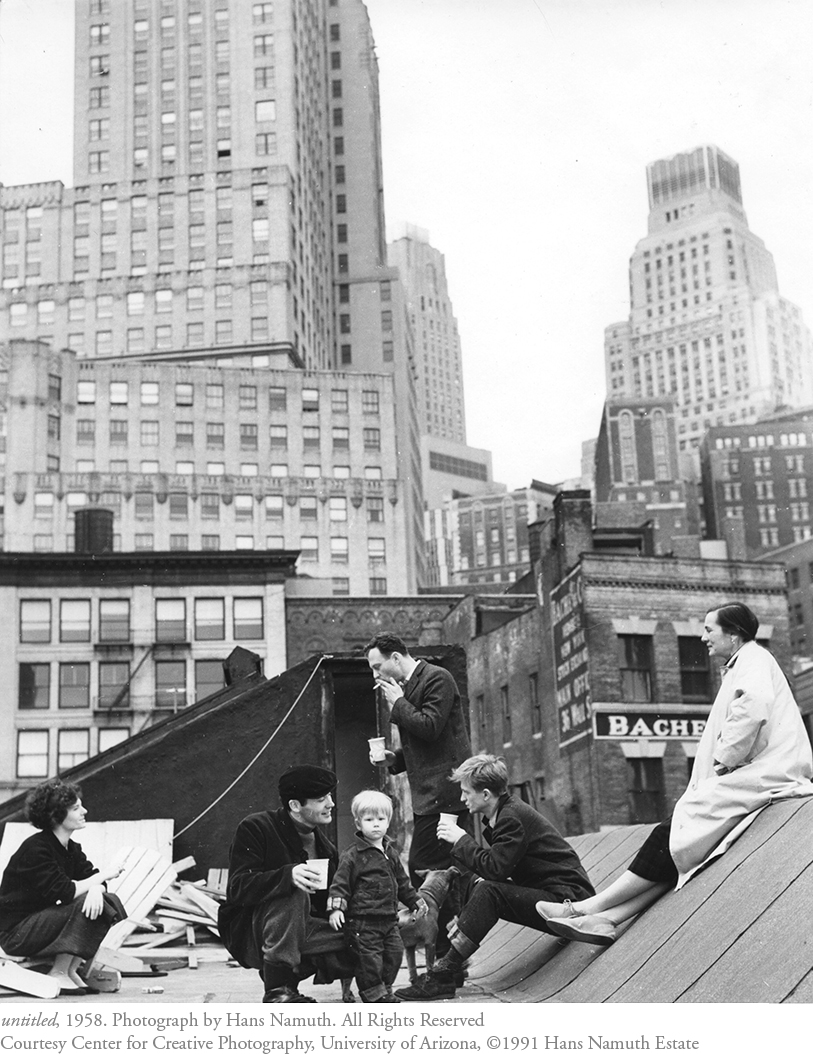
Initially I thought that I would research the neighborhoods in downtown Manhattan where communities of many artists developed styles and movements. These artists are often associated with specific places on the map: Patti Smith in the Chelsea Hotel, Agnes Martin at the Coenties Slip, Basquiat in the Lower East Side, Nan Goldin in the East Village. These neighborhoods are completely transformed today: the Bowery has designer boutiques, the Coenties Slip is part of Wall Street, and the Chelsea Piers are now thought of as part of the Hudson Yards. I was curious about how to document these brief times and specific places where so much creativity occurred. I was also considering comparing these artists with rare and beautiful plant life in the same area at the same time, similar to some of the maps in “Infinite City: A San Francisco Atlas.”
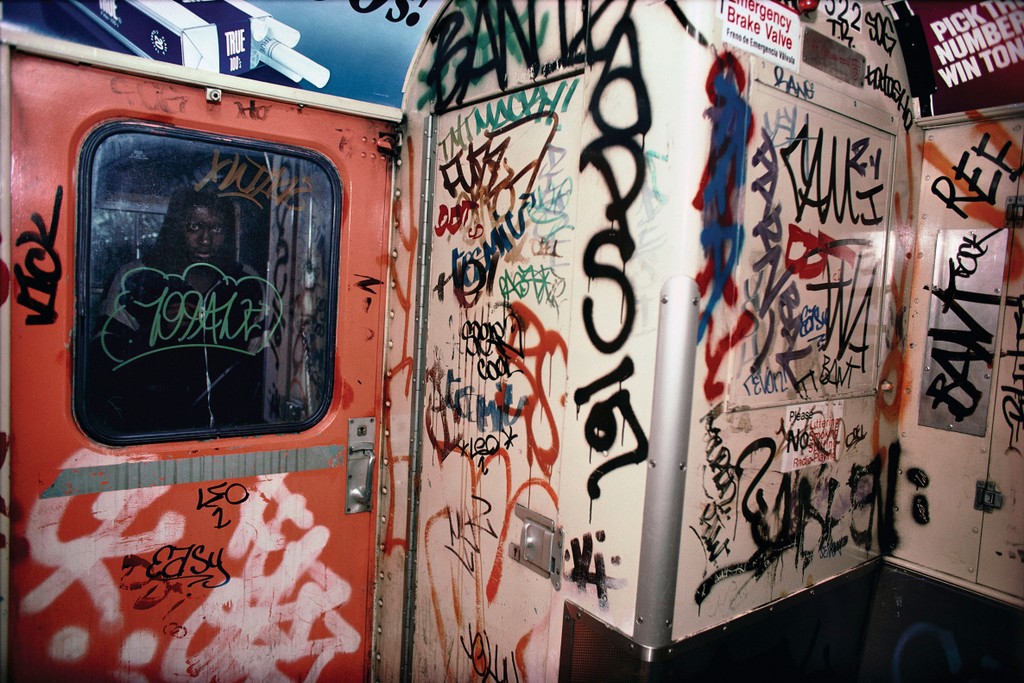
- I’ve never lived in New York but I have been visiting this city quite often. I have known New York through pop culture, art, book, magazines, and major media such as MTV and Hollywood films since I was young.
- New York known as a place for designer/artists who have come here, struggled, and often produced great work. Most of them had difficult lives when they started their careers here, and some are now very famous: (Madonna, Ru Paul, Nan Goldin, Patti Smith) Some of them tragically died young but are forever remembered: (Basquiat, David Wojnarowicz, Robert Mapplethorpe)
-
I associate these artists with specific parts of the city:
- Ru Paul made underground documentaries late at night by the piers in Chelsea before she became globally well-known.
- Basquiat lived and made early graffiti works in Lower Manhattan.
- Madonna debuted her career at Danceteria in downtown Manhattan.
- Nan Goldin moved to the Bowery to focus on her photography series that featured her friends and their marginal lives.
- Agnes Martin worked with other artists in the Coenties Slip (now part of Wall Street).
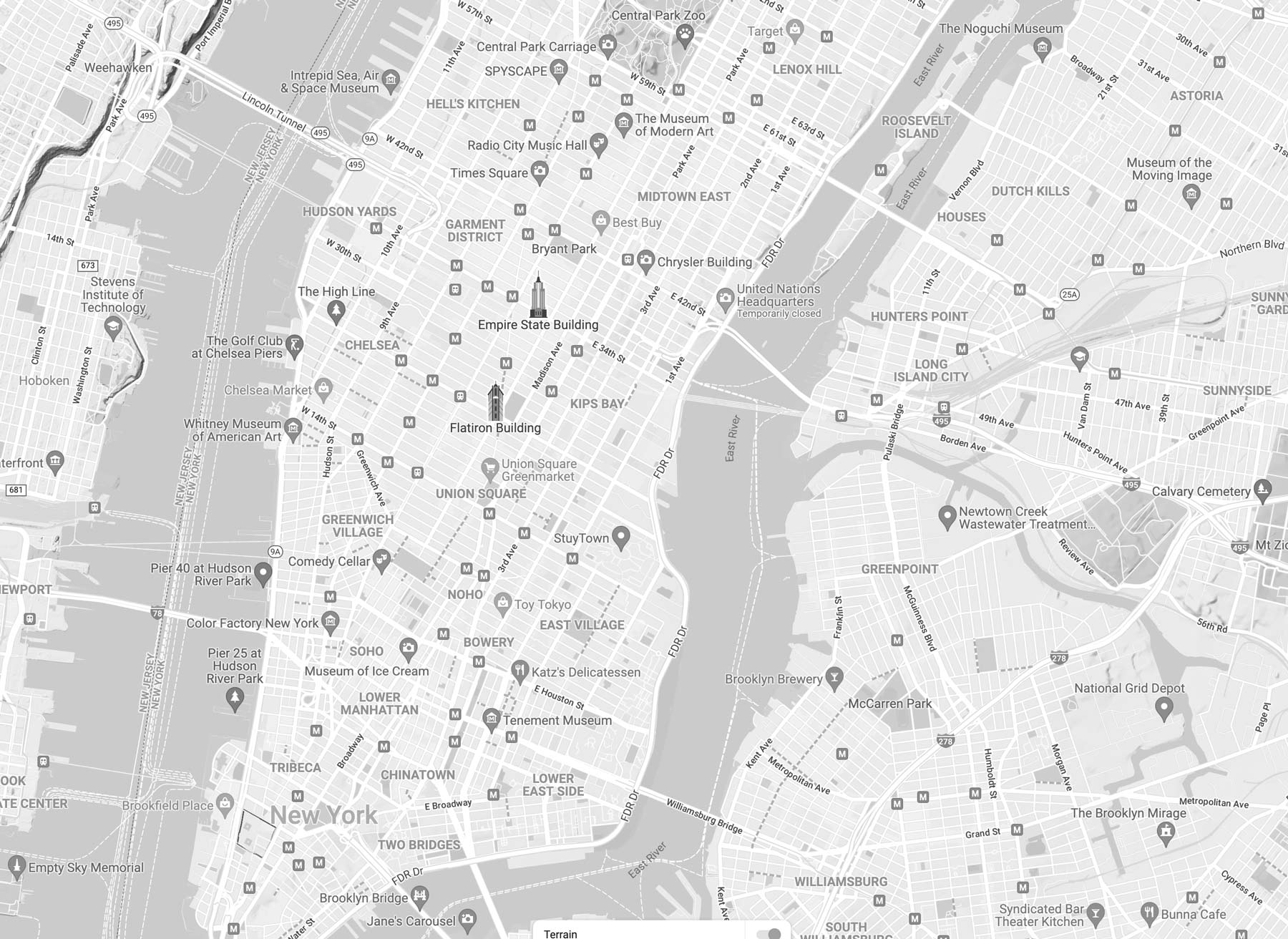
- I have often visited the New Museum, Whitney Museum, the Bowery, and SoHo nearby, which used to be the home of these artists/designers, but is now full of designer boutiques and fancy galleries.
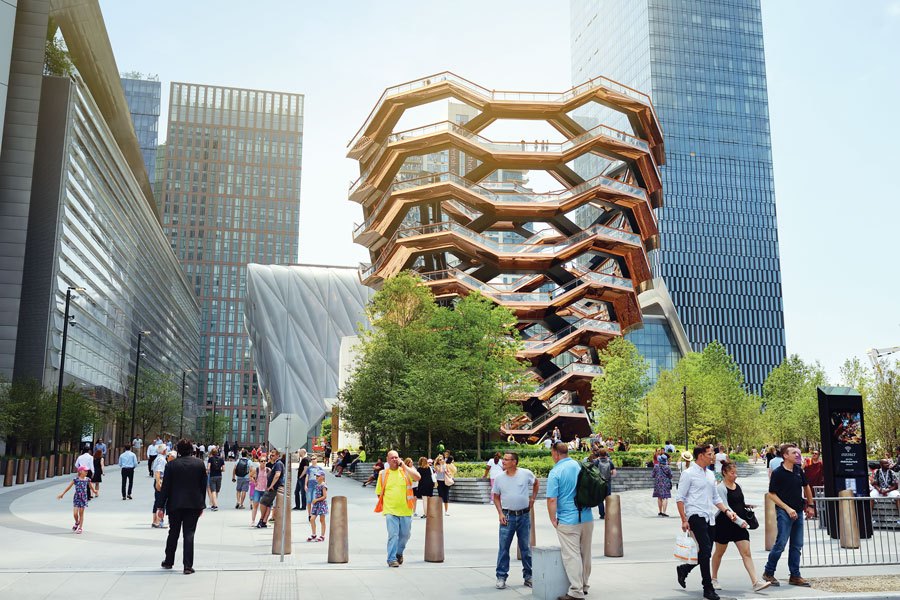
- The Chelsea Piers are now the Hudson Yards (a gigantic mall inside Manhattan).
- The Coenties Slip is now part of Wall Street.
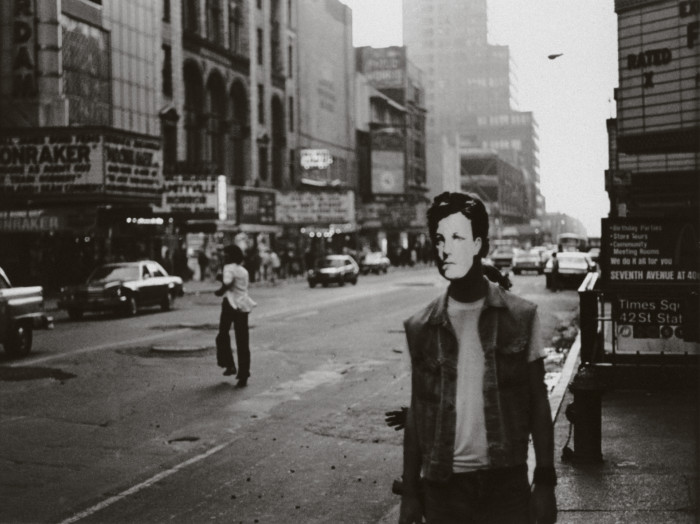
From Chelsea Piers to Hudson Yards
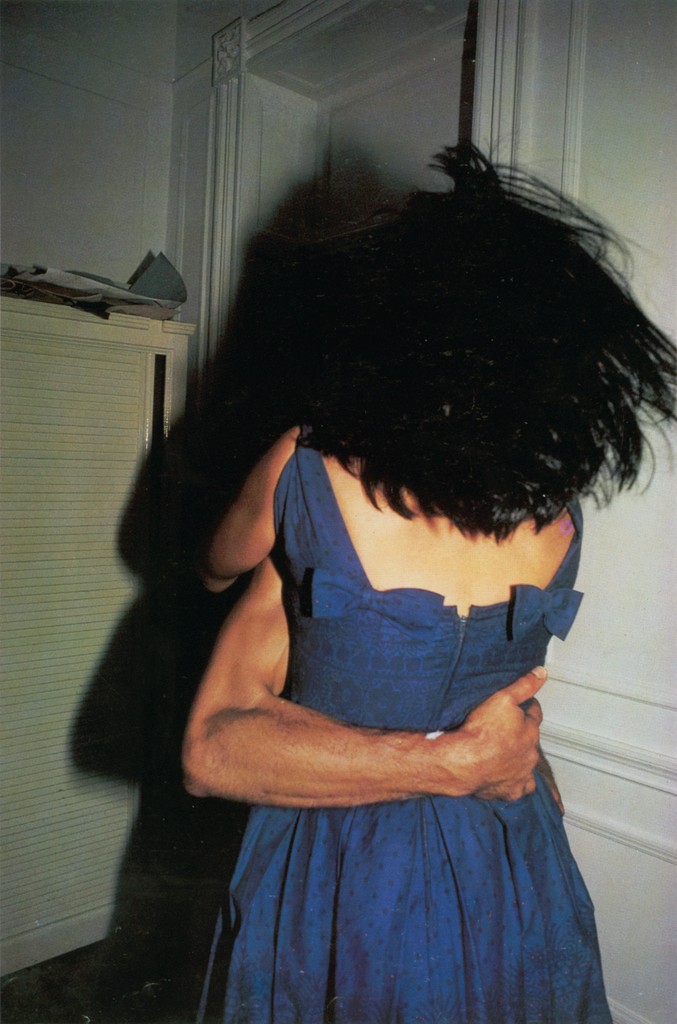
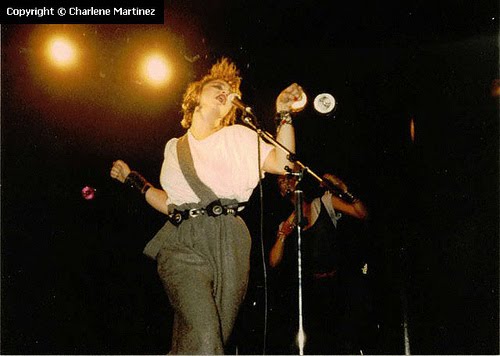
- I am a nature lover. While I am interested in the history of New York art, I’m also curious about the plant life that existed in the same locations at the same time as the artists that I have mentioned.
- This is another hidden history that fascinates me, and I need to learn how to research urban New York’s ecological history.
- Most of the impressive work and the incredible worlds that were created by artists I mentioned, somehow were just as temporary as the flowers that I love.
- Japan and other parts of the world are fond of falling “sakura” cherry blossoms and appreciate this beauty that lasts only for a few days and then disappears. But this short lifespan naturally happens to all flowers and many plants.
- So I am also very interested in exploring the plant life that we don’t normally think of when we think about a the New York art scene in the 1970s or 1980s.
- I also somehow want to link this project with the latitude of the antipode (the other side of the world) of New York city. There’s nothing but a vast ocean there. The coordinates are -40.698470, 106.048558 (40° 41′ 54.5″ S, 106° 2′ 54.8″ E). The American continent has been colonized by the European colonialists for 400 years, but nothing happens on the opposite side. There is only wild ocean.
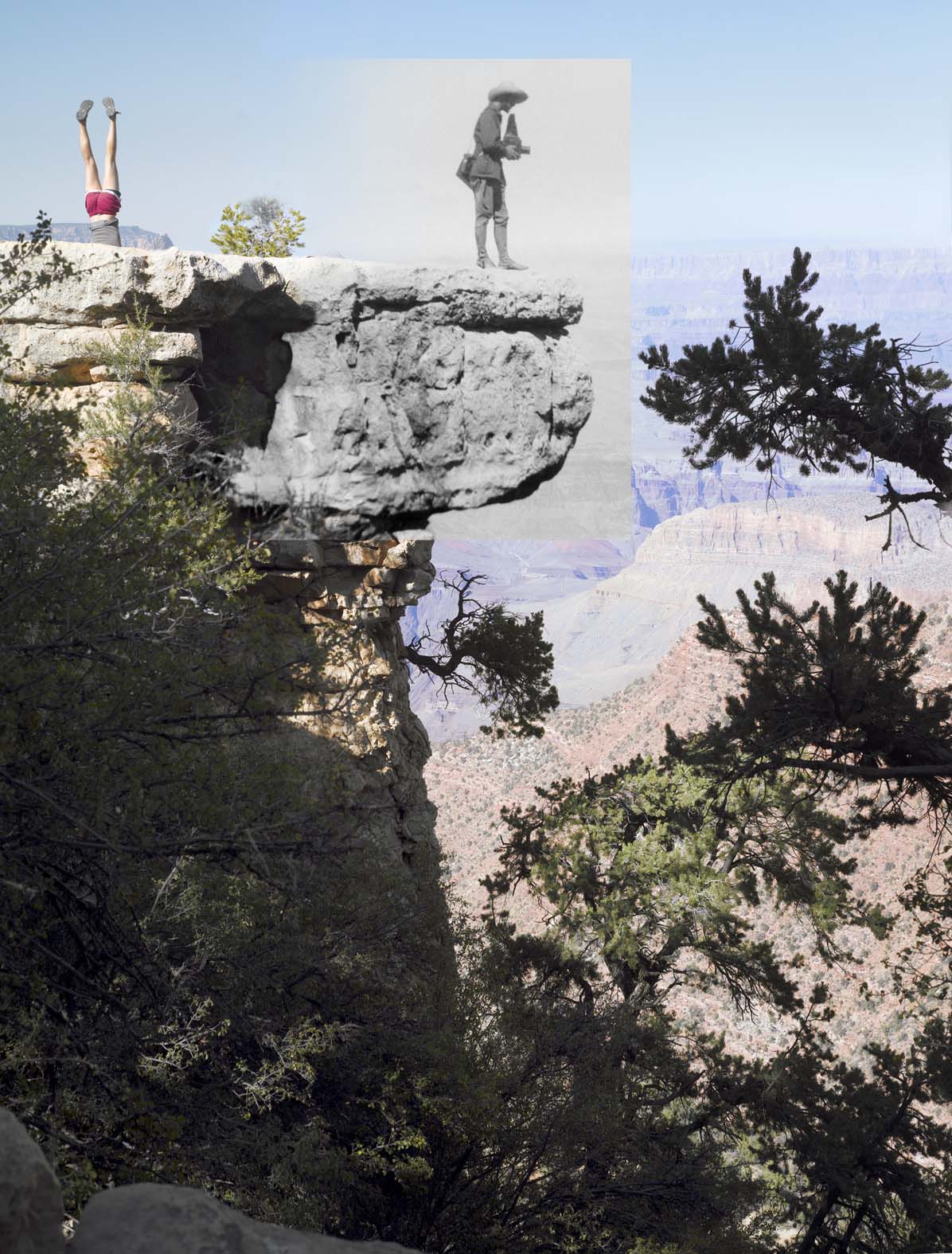
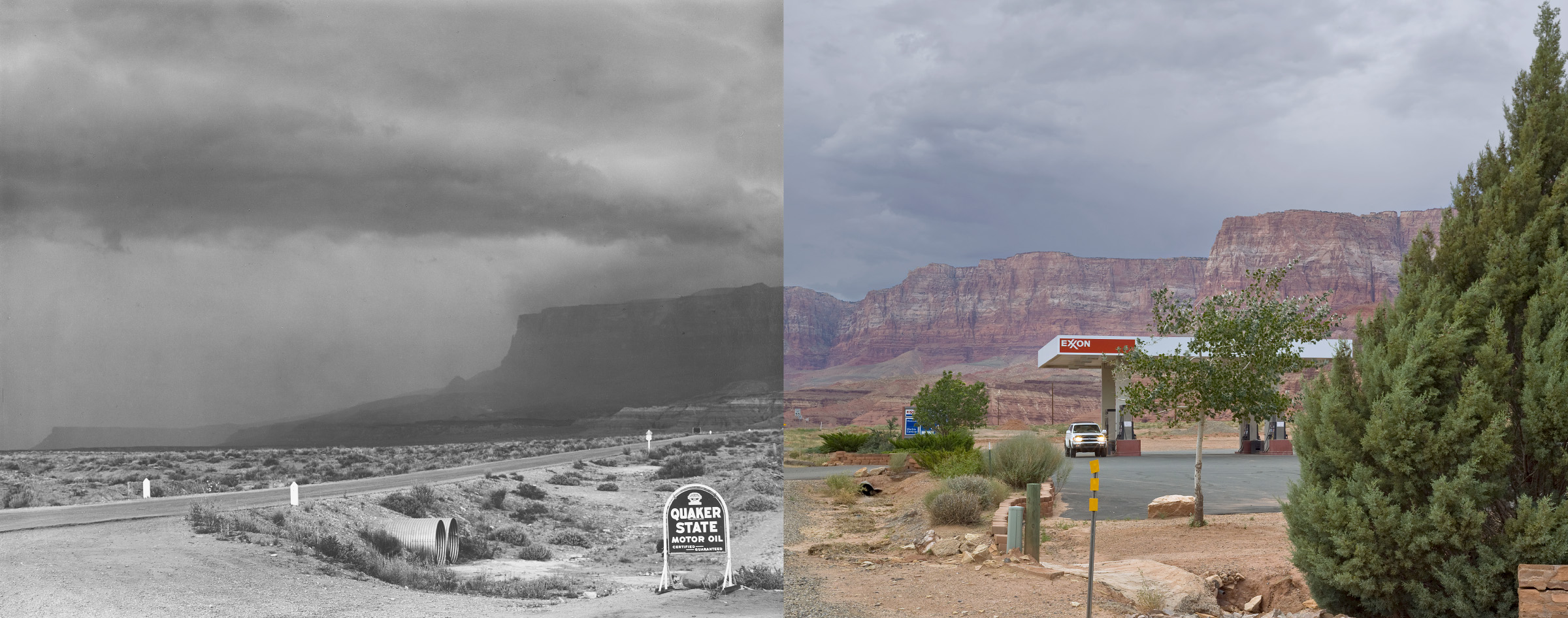
- I might also use visual media to explore local and forgotten histories, similar to the work from Mark Klett and Byron Wolf’s “re-photography” series of projects.
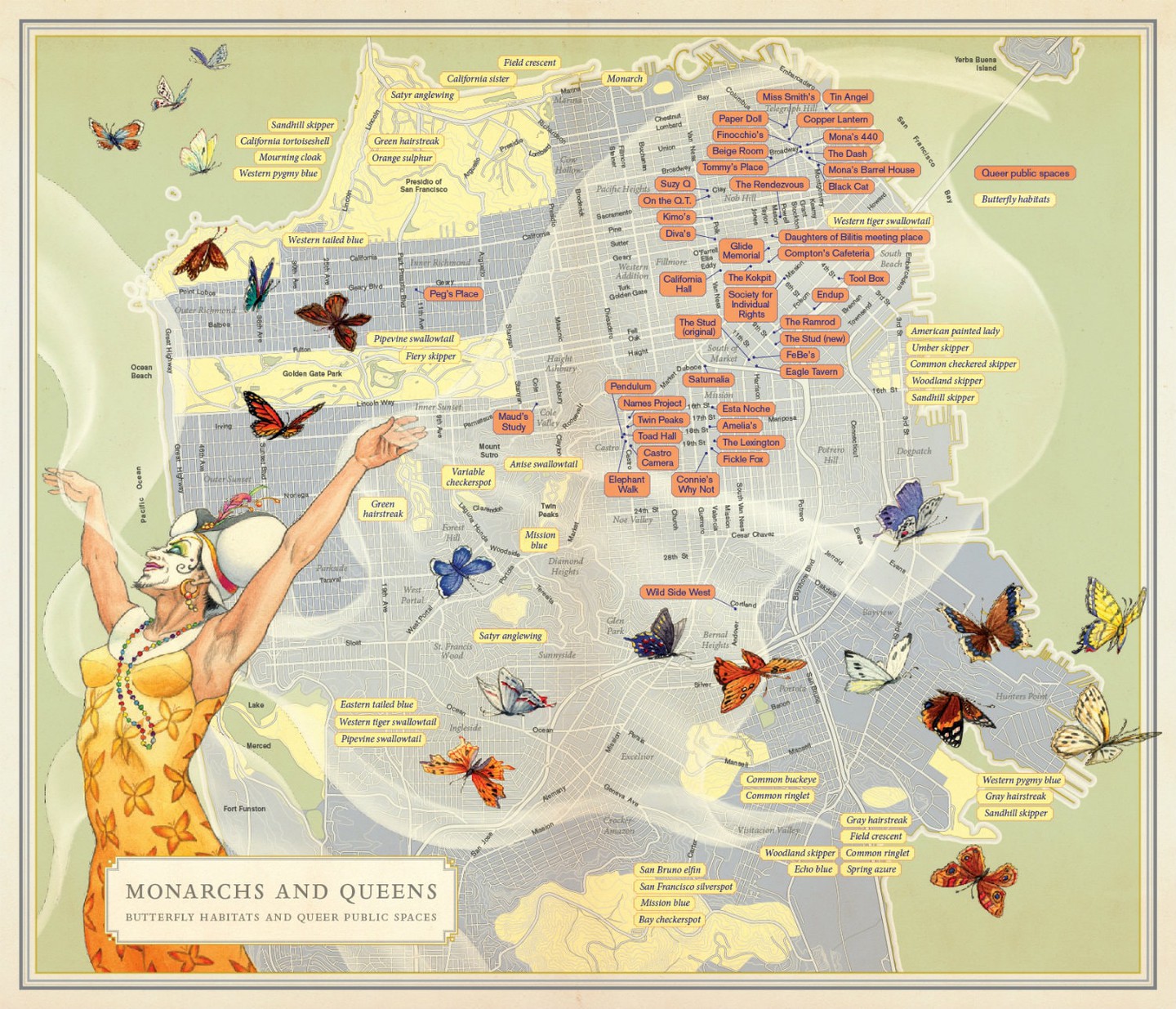
I have had a book of Rebecca Solnit’s, “Infinite City: A San Francisco Atlas.” for many years. Some of my favorite works in the book juxtapose different histories together in one map. For example, one project shows the different locations for Hitchcock’s “Vertigo” together with places that were associated with the development of the film camera by Edward Muybridge. Another map juxtaposes queer spaces with butterfly habitats.
As I did more research, I realized how many books and articles have already been made about these Lower Manhattan artists, and so I decided to pick something that had not be “mapped” as much before, and that went farther back in history.
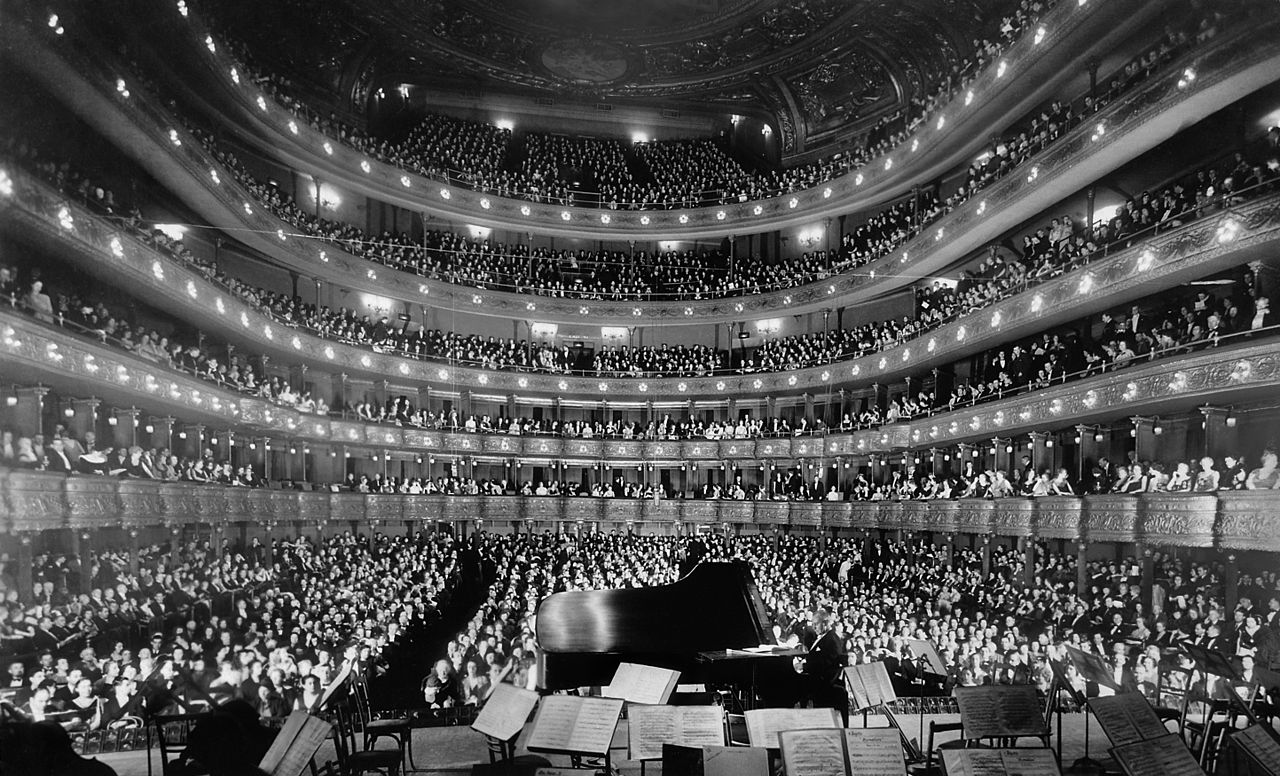
I have always been fond of classical music, especially Puccini’s operas. His pieces are not only overly-theatrical and extravagant, but also exquisite. Opera music helps me to appreciate every moment of my life, through unpleasant times and wonderful memories. It also helps me to focus on making my artworks. Most of my pieces were developed while I was listening to opera or classical music. We do not really have this kind of art or performance in Thailand, where I was born. I remember when I was a kid and I heard one opera song for the first time on the radio late at night. I spent years trying to find the name of the song. It was so dazzling to find out that this piece was “The Blue Danube” by Johann Strauss II. Years later, I had a chance to watch a 1968 film, Stanley Kubrick’s “2001: A Space Odyssey,” and found out that this song was also featured in the film. It seems like Strauss’s opera piece is my odyssey, and this eventful journey with classical and opera music still goes on for me.
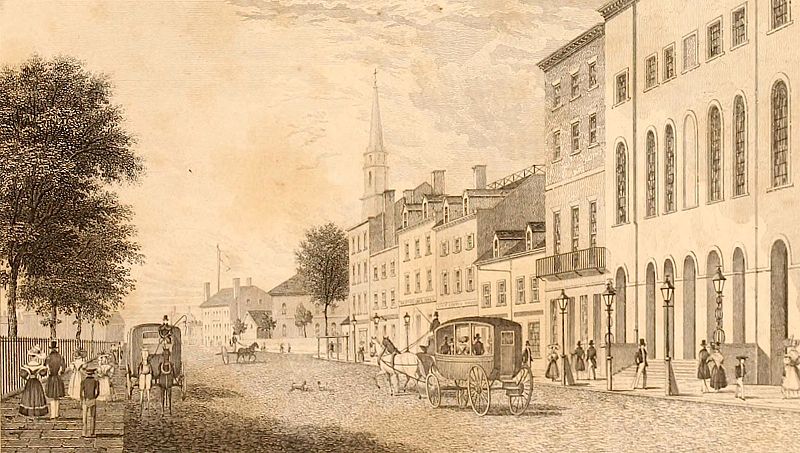
Now, I live in New York, a place where many influential musicians started their careers and developed their art and music. This city is a diverse place where many communities have emerged in this network of cultures since long before the early Dutch settlers set their feet here during the 16th and 17th centuries. It is an important place in the field of human history, including the histories of immigration, slavery, liberation, industrialization, landscape, urban planning, art, and music. The genre of opera in that period of time was one of the many art forms that was fostered by the growing city.
[waveplayer ids=”3228″ size=”sm” style=”dark” skin=”w2-evolution” shape=”square” autoplay=”false”]
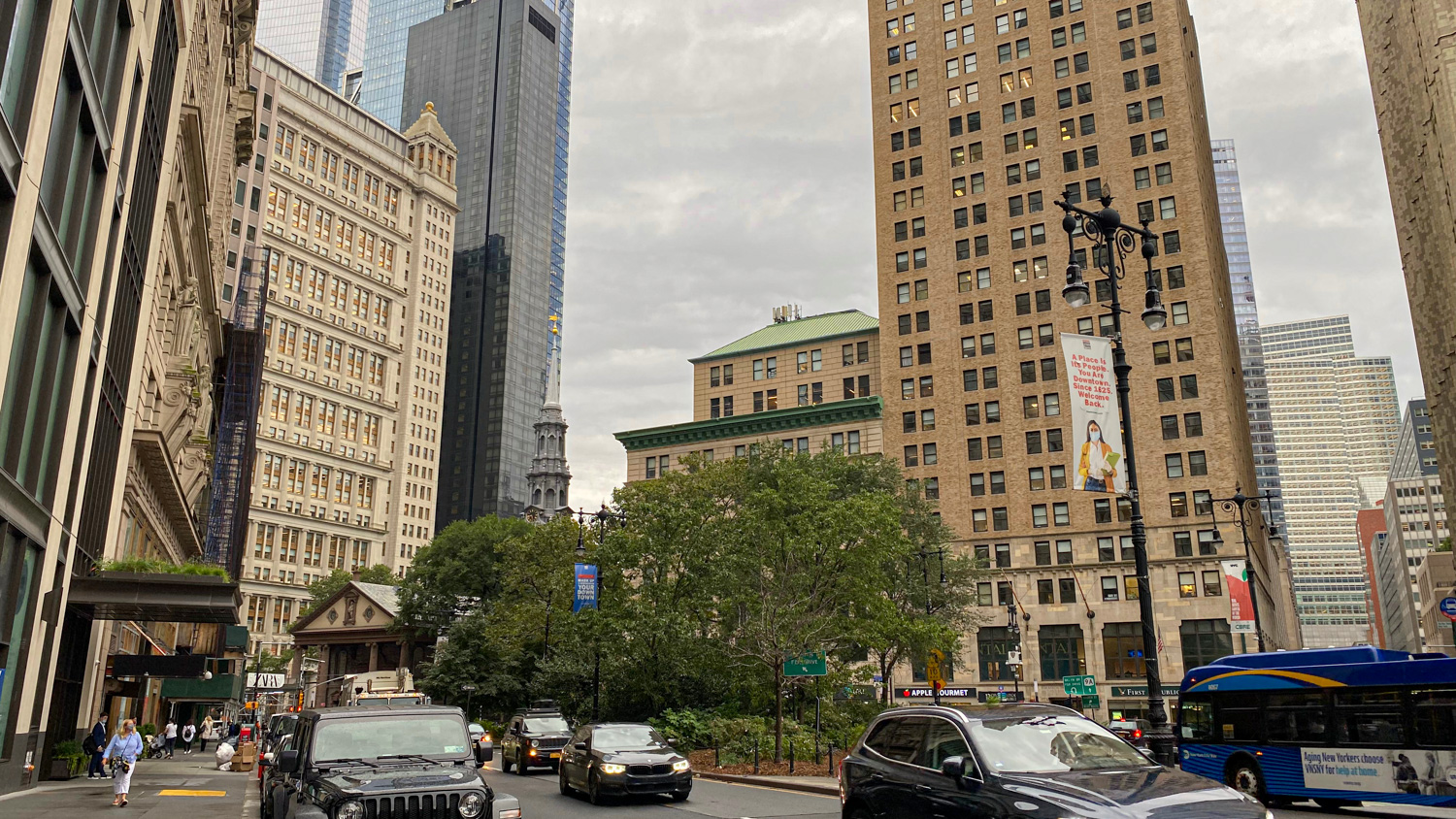
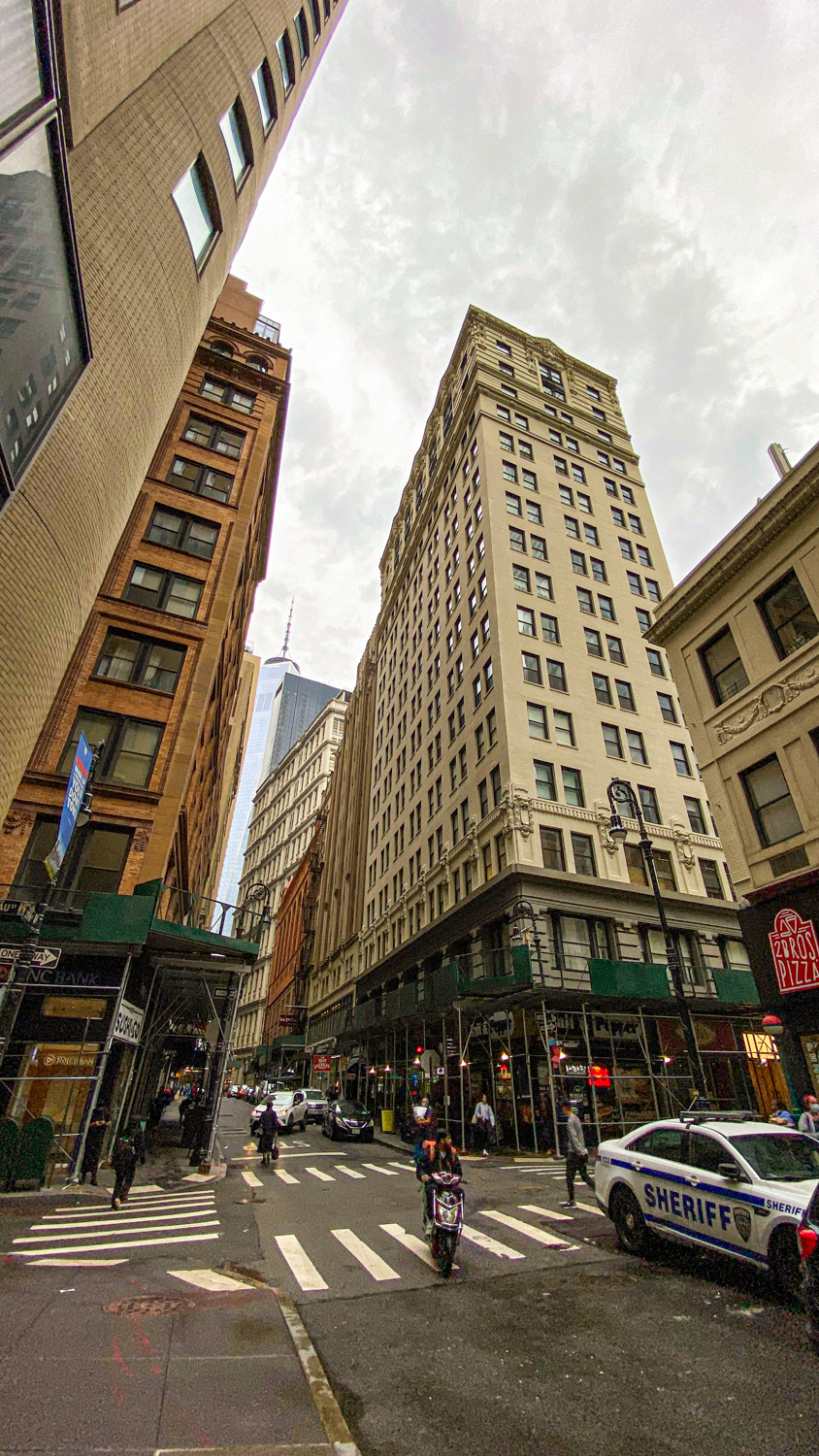
Video from Today Locations
Recorded Ambient Sounds from John St.
[waveplayer ids=”3321″ size=”sm” style=”dark” skin=”w2-evolution” shape=”square” autoplay=”false”]
For this project, I want to investigate and gather relevant information about the opera houses that have flourished in New York over the past two and a half centuries. I am interested in the arias that were performed in each opera house, but I also want to learn about the funds that supported this expensive art form, and what the structures of the opera houses can tell us about the structures of society at the time.
Fortunately, I found an article from WQXR, a New York based public radio station, by Heather O’Donovan, which provides a history of different opera companies in New York for more than two centuries. Many places in today’s Financial District used to be glorious sites for classical music, especially the great opera houses. After centuries, today, there is only one opera house that still remains to be the hub for opera in Manhattan: the Metropolitan Opera. This opera house is heavily sponsored by many wealthy donors, just as the opera houses a century ago were supported by rich industrialists. I am interested in how this phenomenon has occurred again and again in different parts of the city.
[waveplayer ids=”3322″ size=”sm” style=”dark” skin=”w2-legacy” shape=”square” autoplay=”false”]
My investigation is about who built these places and why? Who the audience was? If these structures were built for the sake of art or for social status? If these structures were classist? What was the main leisure most people chose to do back then and today? What are the trends in opera today? Is opera still very difficult to access and appreciate for most audiences, and why?
For my field research I visited several of the locations of old opera houses in Manhattan, and took video of these sites that captured the sights and sounds of those places today, as a kind of sensory ethnography.
When I got this footage, I realized that the city itself is full of sound, visuals, drama, and performance all at once, just like “total artwork“. I now would like to compare the total experience of opera in the 19th century to the total experience of art and technology today, which can be found in the multimedia spaces of New York, including Times Square, Hudson Yards, and other locations. My map will compare the total experience of opera in the 19th and early 20th centuries with the total experience that is offered by the modern, commercial city.
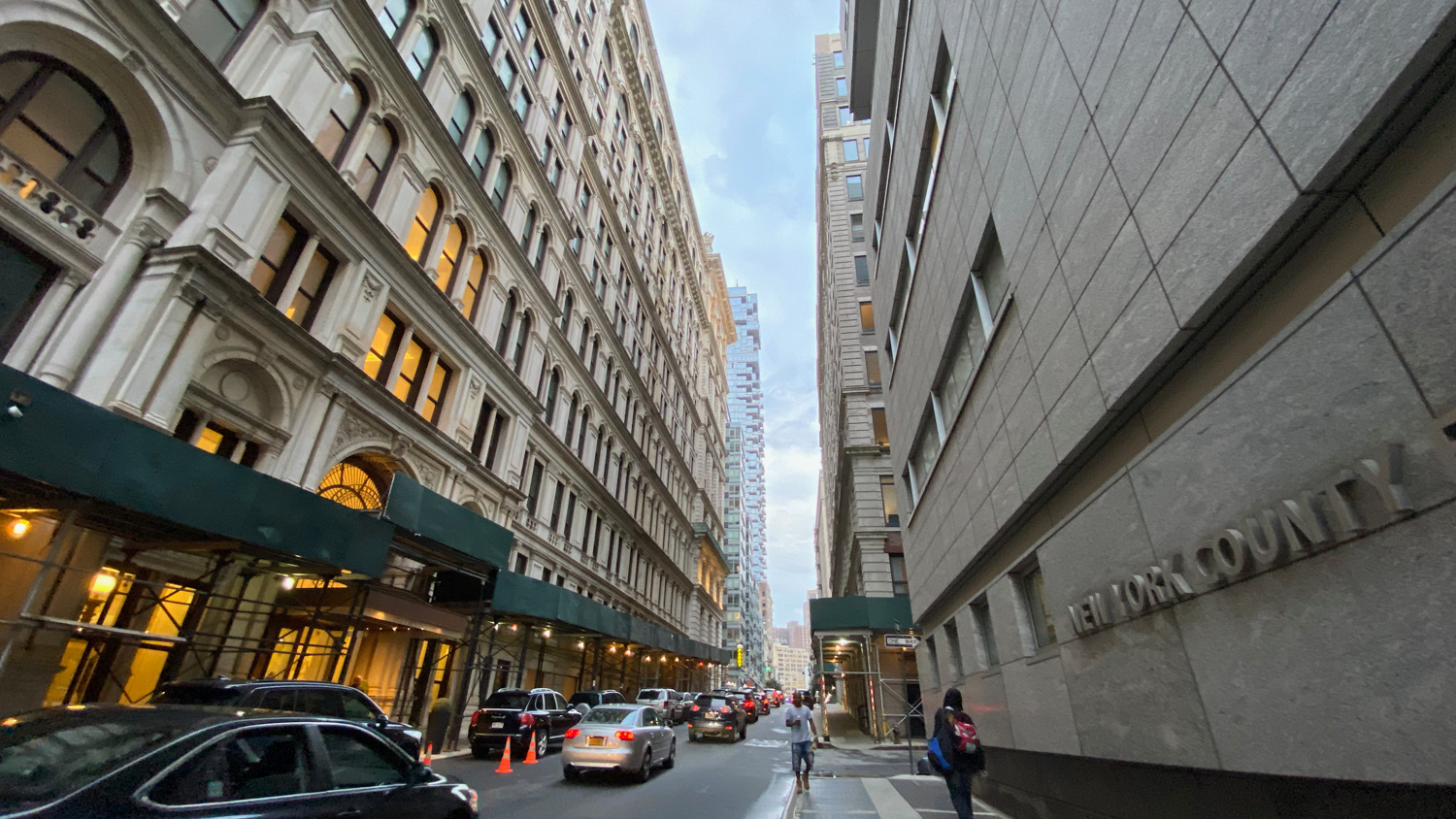
References/Sources
O’Donovan, Heather. “From Opera House to Starbucks: A Brief History of NYC’s Bygone Opera Houses: WQXR Editorial.” WQXR, WQXR, 21 Mar. 2020, www.wqxr.org/story/opera-house-starbucks-brief-history-nycs-bygone-opera-houses/.